
Roaming Around the World
Responsible Travel: How to Explore Without Harming the Communities You Visit
Learn ethical travel practices: respect local customs, support small businesses, combat overtourism, and make positive impact on destinations you visit.

Responsible Travel: How to Explore Without Harming the Communities You Visit
Travel changes you. That’s why you do it. But here’s something worth sitting with before your next trip: travel changes the places you visit, too. Not always for the better.
Responsible travel isn’t about guilt. It’s not about avoiding destinations or shrinking your sense of adventure. It’s about making choices that leave communities, cultures, and environments better off because you were there — or at least no worse. That’s a goal worth traveling toward.
What Responsible Travel Actually Means
Ethical travel goes beyond recycling your hotel towel. It’s about understanding the relationship between your presence and the community hosting you. Every decision you make — where you sleep, where you eat, what you photograph, how you behave — sends ripples through the local economy, culture, and environment.
Standard tourism often treats destinations as backdrops. Responsible travel treats them as living communities with their own needs, boundaries, and stories. The difference is curiosity paired with respect.
The Reality of Overtourism
Some places are loved to the point of exhaustion. Venice, Machu Picchu, Dubrovnik, Bali — these destinations have faced real, documented consequences from mass tourism: rising housing costs that push locals out of their own neighborhoods, degraded natural sites, overwhelmed infrastructure, and cultures gradually reshaped to perform for visitors rather than simply exist.
Overtourism isn’t just an inconvenience for travelers looking for a quieter photo. It’s a structural problem that affects how communities live. Recognizing it matters.
What can you actually do about it?
- Visit during shoulder season instead of peak months. You’ll experience a more authentic version of a place, and your presence puts less strain on resources.
- Explore alternative destinations nearby. If everyone is heading to one famous city, the region around it often holds equally compelling experiences with a fraction of the crowds.
- Book in advance at sites with timed entry or visitor caps — and respect those limits rather than trying to work around them.
Where You Spend Matters More Than You Think
Tourism generates billions of dollars globally, but a significant portion of that money never reaches local communities. When you stay at an international chain hotel, eat at a franchise restaurant, or book through a large foreign-owned tour operator, most of that spending leaves the local economy almost immediately.
Choosing differently is one of the most direct ways to make a positive impact.
- Stay in locally owned guesthouses, family-run hotels, or community homestays.
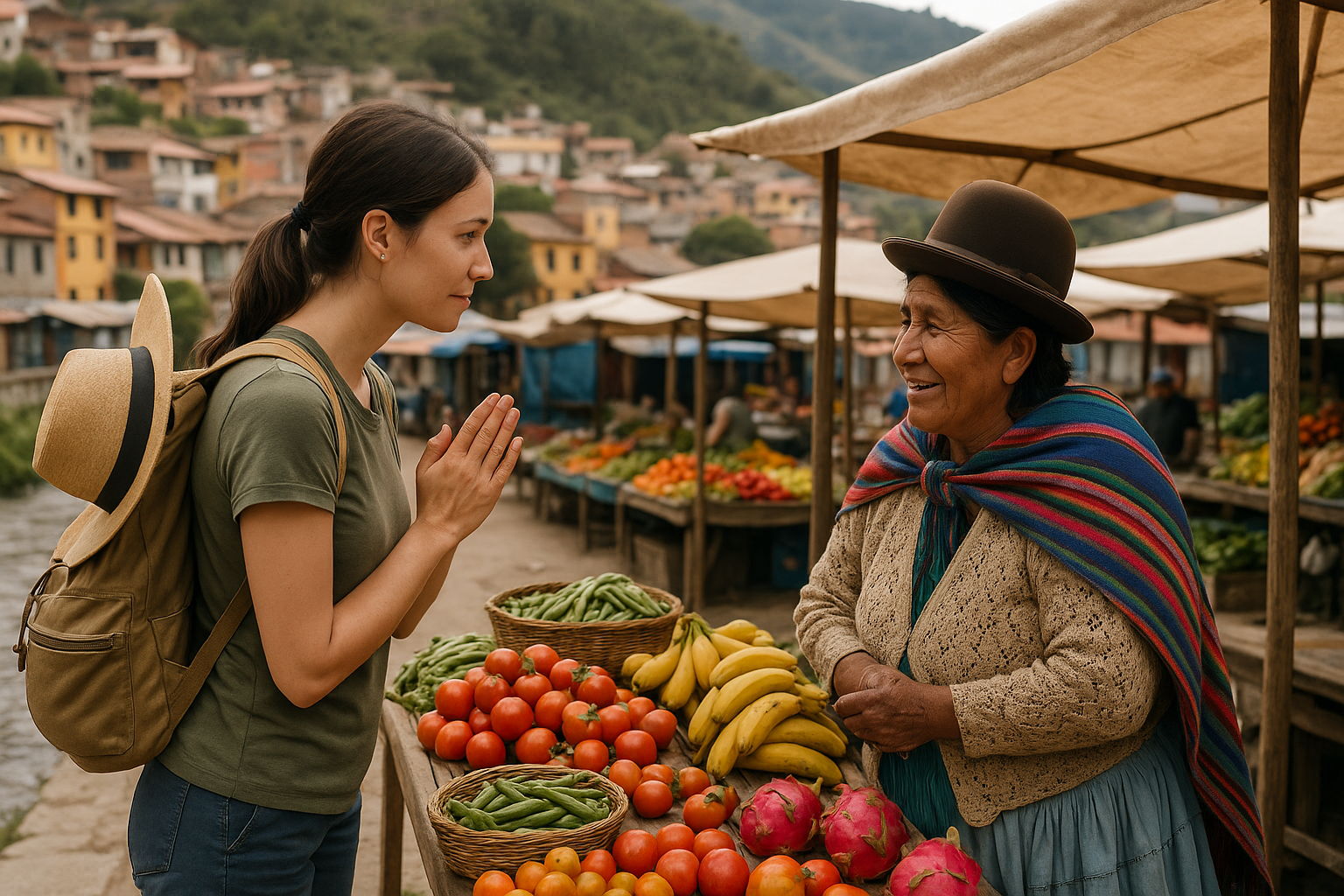
- Eat where locals eat — street food stalls, neighborhood restaurants, and local markets are often where the best food is anyway.
- Hire local guides. They offer knowledge no guidebook can replicate, and your money supports someone building a livelihood in their own community.
- Buy crafts and souvenirs directly from artisans rather than souvenir shops that mass-produce imitations.
Community-based tourism models take this further. These are programs where local communities design and lead the tourism experience themselves, retaining control over how their culture is shared and who benefits financially. Seeking these out when they exist is one of the most meaningful choices you can make as a traveler.
Respecting Culture Without Performing It
Cultural exchange is one of the most beautiful things about travel. But there’s a real difference between genuine curiosity and treating someone’s heritage as a theme park.
Before you arrive somewhere new, spend a little time understanding local customs, dress expectations, and social norms. Not to memorize a rulebook, but to show up with awareness. Covering your shoulders at a temple, learning a few words in the local language, or understanding what gestures mean in different contexts — these aren’t restrictions on your freedom. They’re basic acts of respect that open doors rather than close them.
Photography deserves particular thought. Always ask before photographing people. Some communities and sacred sites have explicit restrictions around cameras, and those boundaries exist for real reasons. A moment of hesitation before pointing a lens at someone is the difference between connection and intrusion.
Be honest with yourself about experiences that feel exploitative. Wildlife encounters where animals perform or are handled, cultural ceremonies staged purely for tourists, or any situation where you sense that what’s being offered exists to extract money rather than share something genuine — these are worth questioning.
Your Environmental Footprint on the Ground
Beyond carbon emissions, the day-to-day choices you make while traveling have real environmental consequences. Water is scarce in many destinations that see heavy tourist traffic. Single-use plastic waste overwhelms waste management systems in places that weren’t built to handle it. Trails get eroded. Coral reefs get damaged by careless snorkelers.
Practical steps that genuinely help:
- Carry a reusable water bottle and refill it where safe to do so.
- Stick to marked trails in natural areas and follow the guidance of local rangers and guides.
- Choose reef-safe sunscreen in coastal destinations.
- Avoid single-use plastics whenever alternatives are available.
- Be mindful of water consumption in drought-prone regions — long showers and daily towel changes add up across thousands of visitors.
Do Your Research Before You Go
The most responsible thing you can do is show up informed. Spend an hour before any trip reading about the destination’s current relationship with tourism — not just what to see, but what the community is experiencing. Are there tensions around tourist behavior? Are there specific sites or neighborhoods asking for more considerate visitors? Is there a local organization doing meaningful work you could support?
This kind of preparation doesn’t make travel less spontaneous. It makes it richer. You’ll notice things others walk past, connect with people more meaningfully, and leave with a more honest understanding of the place you visited.
Travel That Leaves Something Good Behind
Responsible travel isn’t a checklist to complete before you can enjoy yourself. It’s a mindset — one that holds your sense of adventure alongside a genuine care for the world you’re moving through.
The places you visit are someone’s home. The cultures you’re curious about are living, evolving, and sometimes fragile. The communities you pass through are made of people with their own hopes and pressures, not just interesting experiences waiting to be consumed. When you travel with that awareness, something shifts. You stop being a tourist passing through and start being someone who actually showed up — curious, respectful, and worth remembering.
That’s the kind of traveler worth being. And honestly, those are the trips worth taking.
This article was produced with AI assistance and reviewed editorially.


The Rise of Slow Travel: Why Spending a Month in One Place Changes Everything

Hidden Gems vs. Viral Spots: How to Find Real Experiences Beyond Instagram


