
Italy
Exploring Italy’s Hidden Gems: A Budget Traveler’s Guide
Explore Italy’s hidden gems on a budget: underrated cities, local eats, and free sightseeing.

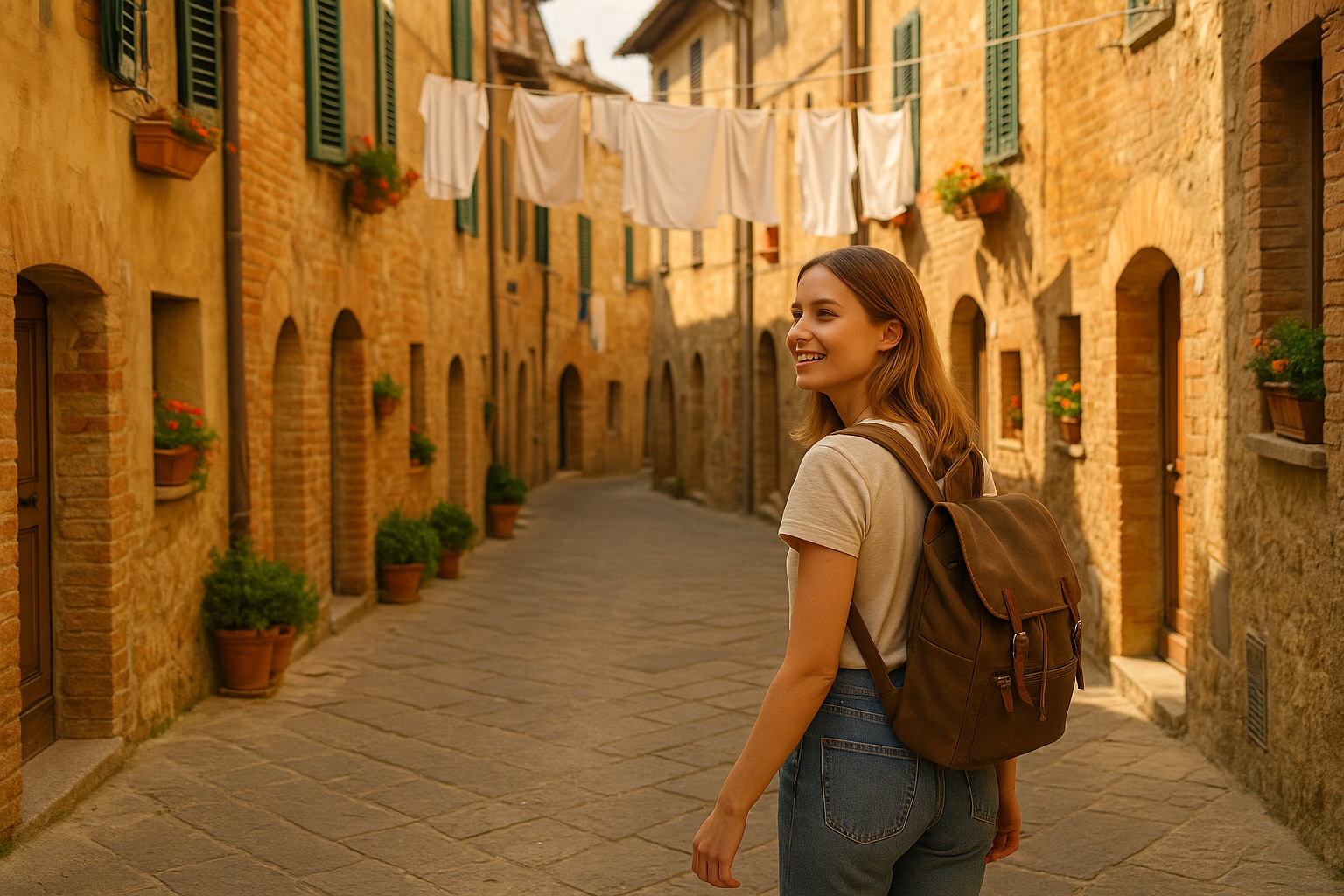
Discover Italy’s lesser-known destinations, perfect for budget-conscious travelers seeking unique experiences. From hidden towns and budget-friendly activities to local dining options and festivals, uncover the magic of Italy beyond the usual tourist hotspots.
Why Visit Hidden Gems Instead of Tourist Hotspots?
While Italy is renowned for iconic destinations like Rome, Venice, and Florence, these tourist hotspots can often be overwhelming in terms of crowds and expensive in terms of costs.
Opting for hidden gems offers not only a unique glance into the authentic lifestyle that bigger cities might have surrendered to tourism, but also a more intimate interaction with the history and culture of the region.
Lesser-known destinations provide a break from the bustling cityscape, offering peaceful landscapes and charming small towns where tradition thrives.
Moreover, with fewer tourists, the cost of accommodations and meals tends to be significantly lower, making it ideal for budget travelers.
Visiting these places means immersing oneself in a richer, often untouched cultural tapestry, providing interactions with locals that are genuine and heartfelt.
Ultimately, choosing hidden gems over popular destinations means experiencing Italy’s warmth and charm at a deeper and often more rewarding level.
Top Underrated Italian Cities and Towns
Italy’s lesser-explored cities and towns, like Matera in Basilicata or Ravenna in Emilia-Romagna, offer enchanting experiences sans the touristy buzz.
Matera, with its ancient Sassi dwellings carved into limestone cliffs, transports visitors back in time while offering stunning views and a glimpse into early human civilization.
Ravenna, once the capital of the Western Roman Empire, dazzles with its Byzantine mosaics which are UNESCO World Heritage sites.
Similarly, towns like Orvieto in Umbria, perched high on a volcanic rock, amaze with their medieval architecture and the magnificent Orvieto Cathedral.
Each of these places retains a strong sense of local identity, often characterized by unique festivals and culinary traditions that are as inviting as their breathtaking vistas.
Exploring these destinations not only enriches your travel with storied histories and vibrant cultures but does so without the premium price tag of their more famous counterparts.
Budget-Friendly Activities in Lesser-Known Locations
For those seeking budget-conscious ways to explore, Italy’s hidden gems offer myriad opportunities to experience culture without breaking the bank.
Hiking trails in places like the Cinque Terre National Park or the Apennine Mountains offer breathtaking views and a chance to encounter nature off the beaten path.
Many of these areas have free walking tours, providing insights into local legends and history.
In towns like Lucca, you can rent bikes for a small fee to enjoy the Renaissance walls or the scenic Serchio River.
Museums in lesser-known towns often have lower entrance fees, allowing you to explore regional art and history affordably.
Additionally, wine tasting tours in regions such as Abruzzo or Marche offer a more personal touch at a fraction of the cost compared to Tuscany.
These activities highlight that you do not need to splurge to enjoy the rich tapestry of Italian culture and history.
Affordable Dining Options: Where Locals Eat
One of the joys of traveling in Italy is savoring its cuisine.
To enjoy authentic flavors without the hefty price tag, venture to where locals dine.
In Puglia, the local trattorias serve orecchiette pasta with turnip tops or chicory directly sourced from surrounding farms.
In Sicily, street food like arancini or panelle, chickpea fritters, are not only delightful but easy on the wallet.
Explore family-run restaurants in towns like Asti, renowned for its simple yet tantalizing dishes such as bagna cauda, a flavorful anchovy dip served with fresh vegetables.
Seeking out local markets provides an opportunity to enjoy fresh produce, cheeses, and cured meats, assembling a picnic for a scenic locale.
Affordable dining here means not just feeding your body but leaving yourself open to the love and tradition infusing each dish, as these eateries eschew pretense for genuine flavor and warmth.

The Magic of Local Festivals and Events
Local festivals provide a vivid introduction to regional traditions and festive spirit.
Attending events such as the Umbria Jazz Festival in Perugia, filled with free concerts and vibrant street performances, allows for immersive cultural experiences at minimal expense.
In Sardinia, the Sartiglia festival in Oristano showcases an exhilarating equestrian event with roots deep in medieval history.
Similarly, the Alba White Truffle Fair in Piedmont is an enchanting marketplace featuring local delicacies and culinary workshops.
These festivals often see communities coming together in celebration, featuring music, dance, and art forms unique to the region.
By participating in these events, travelers gain insight into local customs, meet artisans, and witness history come alive through tradition, all while enjoying Italy’s cultural diversity without incurring significant costs.
Capturing Memories: Free Sightseeing Opportunities
Italy’s wealth of art and history is not confined to museums and galleries with entrance fees; plenty of incredible sights are free to explore.
From the romantic canals of Chioggia, often referred to as ‘Little Venice’, to the dramatic cliffs and serene seaside of Porto Venere, free natural landmarks abound.
Historical sites like the Etruscan necropolis in Cerveteri allow a glimpse into ancient life for no cost, while churches in small towns throughout Italy often house hidden masterpieces, from frescoes to sculptures.
Each of these landmarks provides not only a photo opportunity but also a chance to steep oneself in history without spending a cent.
These experiences remind travelers that Italy’s true essence can be captured through the simple yet enriching act of wandering, observing, and immersing oneself in the local backdrop.


Vietnam Uncovered: Beyond the Chaos, Into the Real Story

Beyond the Guidebook: What Hanoi Actually Feels Like


